
 Rajanish
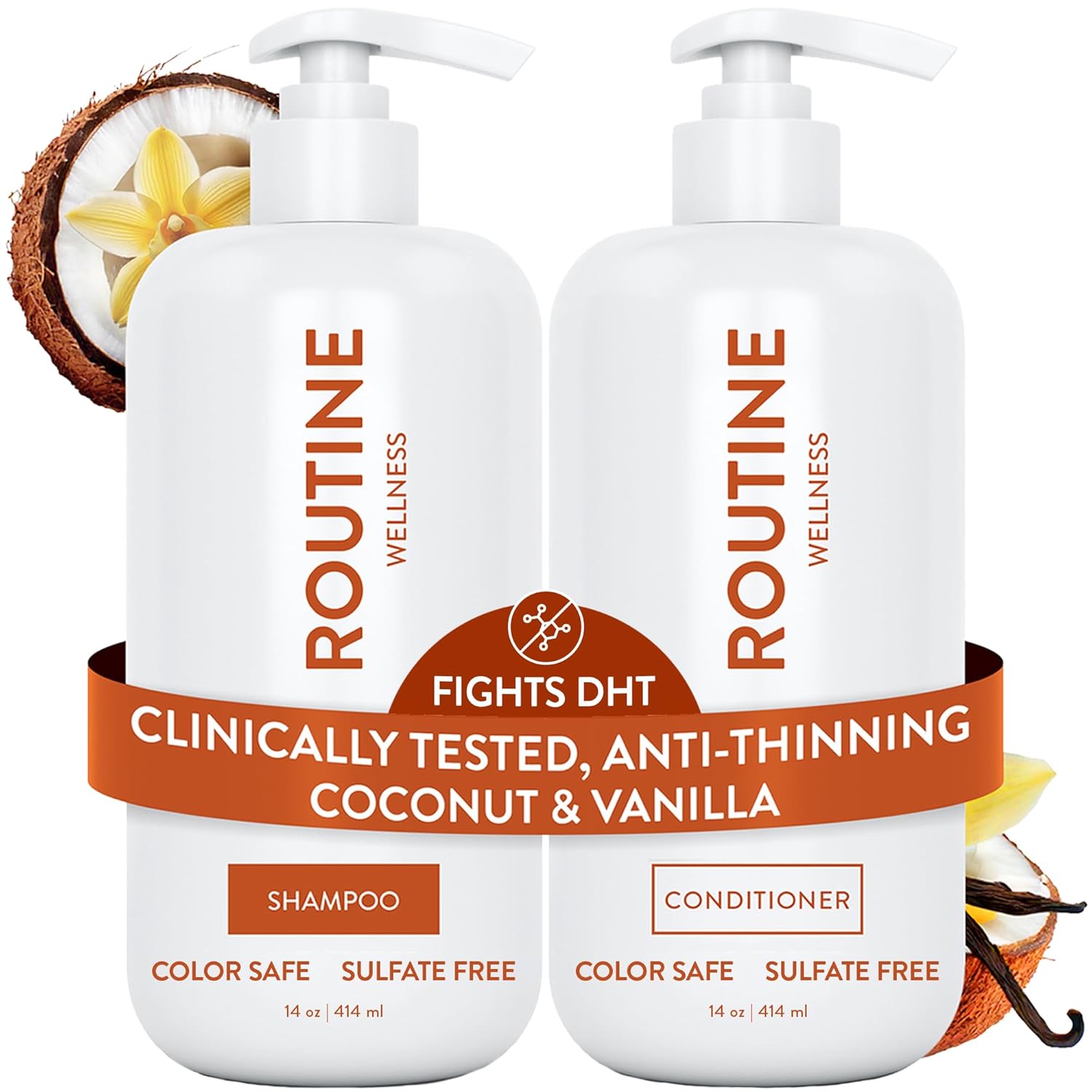
Routine Wellness Anti-Thinning Hair Care Product, listed under ASIN B0CXX9PYY6, is positioned as a hair-care option for people building a routine around thinning-looking hair, scalp comfort, and cleaner everyday formulas. This review is written in an informational affiliate style and is intended to help readers understand the product profile, ingredient story, and the type of shopper it may suit before they check the live Amazon listing.
Because Amazon variations can change over time, it is smart to confirm the exact version currently attached to this ASIN before publishing. That means checking the live listing for the current product title, bottle count, fluid size, scent or formula variation, and whether the selected option is a single item or a multi-pack. Doing that final check helps keep your review accurate and avoids mismatch between your content and the product page the reader lands on.
Brand Background
Routine Wellness says the brand was born in Dallas, Texas, and that its products are made in the United States from ingredients sourced around the world. On its website, the brand presents its line as effective, clean, and simple, with formulas built around plant-based extracts and oils that support the appearance and feel of healthier-looking hair.
The brand also states that it does not use parabens, sulfates, or phthalates and that it does not test on animals. For shoppers who compare ingredient standards before they buy, those points can be part of the decision-making process, especially when choosing a product to use regularly in a longer hair-care routine.
Product Details
| Detail | Information |
|---|---|
| Name | Routine Wellness Anti-Thinning Hair Care Product (verify exact live variation title) |
| ASIN | B0CXX9PYY6 |
| Brand | Routine Wellness |
| Form | Topical hair-care product; verify whether the live variation is shampoo, conditioner, or bundle |
| Formula | Brand-positioned blend featuring plant-based extracts and oils |
| Dietary notes | Not applicable; this is a topical hair-care product and not an ingestible supplement |
| Key Ingredient | Biotin, caffeine, saw palmetto oil, argan oil, coconut oil, nettle oil, niacinamide, and aloe-derived proteolytic enzymes |
| Target User | Adults looking for an anti-thinning hair-care routine with cleaner-formula positioning |
| Weight | Verify current listing weight or size on Amazon before publishing |
| Platform | Amazon.com |
Overview
What makes this product interesting from a content and SEO perspective is that it sits in a strong buyer-intent category: people searching for anti-thinning hair care are usually looking for a routine product, not a one-time novelty purchase. That gives your review post room to cover formula style, ingredient positioning, everyday usability, and long-term value without drifting into exaggerated claims. A balanced review often converts better because it sounds useful rather than overhyped.
In practical terms, the main angle here is not to promise dramatic results. A stronger affiliate article explains what the product appears to offer, what kind of ingredients the brand emphasizes, and what a shopper should verify on the listing page before ordering. That approach works especially well for personal care products, where texture, scent, routine fit, packaging size, and ingredient preferences often matter as much as the headline claim.
Routine Wellness frames its products around a proprietary mix of plant-based extracts and oils, and its ingredient highlights include biotin, argan oil, coconut oil, nettle oil, niacinamide, saw palmetto oil, caffeine, and proteolytic enzymes found in aloe vera. Those are presented by the brand as part of a clean, simple, and effective routine rather than as a medical treatment, which is the right lens to maintain in your review copy.
Key Ingredient Spotlight
Biotin is one of the first ingredients Routine Wellness spotlights, and the brand says it helps increase elasticity and maintain strong strands. In review language, that makes biotin relevant for readers who want a formula centered on the look and feel of stronger hair rather than purely cosmetic fragrance or salon styling.
Caffeine is another highlighted component, and the brand says it increases circulation to the scalp. That gives you a helpful talking point for shoppers who want a scalp-focused routine, especially if they are comparing this product with formulas that market themselves only around softness or shine.
Saw palmetto oil is described by the brand as rich in antioxidants and supportive against breakage, while argan oil is positioned as a moisturizing ingredient that helps prevent breakage. Coconut oil is described as nourishing hair with antioxidants and fatty acids, and nettle oil is presented as helping nourish, balance, and hydrate the scalp.
The brand also highlights niacinamide as helping circulate key nutrients to hair and scalp, and it notes that proteolytic enzymes are found in its aloe vera and help repair cells on the scalp. These are seller-provided descriptions, so they should be treated as promotional language rather than medical advice or guaranteed outcomes.
From an affiliate-review perspective, the most useful way to discuss this ingredient mix is to say that the formula appears designed for people who want a more complete routine story. Instead of focusing on a single trendy ingredient, the brand combines several recognizable oils and scalp-care actives, which may appeal to buyers who prefer a broader formula profile. That also gives your article multiple natural semantic keywords without sounding stuffed.
Who Is This Product For?
- Adults who are shopping for an anti-thinning hair-care routine and want a product positioned around scalp care and strand support.
- People who prefer brands that say they avoid parabens, sulfates, and phthalates.
- Shoppers who like ingredient-led formulas featuring biotin, caffeine, oils, and plant-based extracts.
- Readers comparing clean-positioned personal care brands instead of heavily fragranced or heavily stripped-down formulas.
- Users who want a topical hair-care option, not an ingestible supplement.
This product may be less ideal for readers who want a fragrance-free medical-style treatment, those who only buy ultra-minimal formulas, or shoppers who do not want to keep up with a repeat-use hair-care routine. In other words, it looks best suited to people who see hair care as a system and not just a single bottle solution.
Why Buy the Multi-Pack?
If the current Amazon variation offers a multi-pack, that option can make sense for routine users who already know they will use the product consistently. A bundle may reduce the chance of running out mid-routine, simplify reordering, and sometimes improve value per bottle compared with purchasing single units separately.
For an affiliate review, this section is useful because it adds buying-context value without sounding pushy. You are not telling the reader to buy more product than they need; you are simply explaining that a multi-pack may suit repeat users, shared households, or people who prefer keeping a backup bottle on hand. If the live listing only shows a single item, remove this section before publishing.
What Stands Out in a Review Format
One of the stronger angles in this listing is the combination of clean-brand positioning and recognizable ingredient language. Many buyers respond well when a product description feels easy to understand, and ingredients like biotin, caffeine, coconut oil, argan oil, and niacinamide are familiar enough to create that sense of clarity without requiring technical explanation.
Another strength is that Routine Wellness gives you enough brand-language to build a fuller article. You can discuss ingredient highlights, the made-in-USA brand story, the cleaner-formula angle, and the everyday-use positioning in a way that reads naturally for search and still feels helpful to a real shopper. That balance is often what separates thin affiliate content from review posts that actually hold attention.
At the same time, a responsible review should avoid promising regrowth, cure-like outcomes, or disease-related benefits. Hair-care products can be part of a grooming routine, but individual experience varies widely depending on hair type, scalp condition, styling habits, and the rest of a person’s routine. Keeping the tone measured makes the content safer, more credible, and more likely to survive future policy reviews.
FTC Affiliate Disclaimer
Disclosure: This article may contain affiliate links. If a reader makes a purchase through those links, the site may earn a commission at no additional cost to the customer.
Health and Claim Disclaimer
Ingredient descriptions in this article reflect brand or seller positioning and are provided for informational purposes only. This content is not medical advice and should not be used to diagnose, treat, cure, or prevent any disease. For personal concerns about hair thinning, scalp irritation, or ingredient sensitivity, readers should consult a qualified professional and review the full ingredient list on the live product page before use.